
I used to think cuticles were just the little strip of skin you were supposed to push back or trim away before painting your nails. It took me years of dry, peeling skin around my nails to learn that they are actually doing an important job, and that treating them kindly makes every manicure look better. Once I changed how I looked after them, my nails stopped snagging and that ragged skin finally calmed down. Learning how to take care of cuticles properly is one of the simplest upgrades you can make to your nail routine. This guide covers what cuticles do, the tools you need, a weekly routine that takes about ten minutes, the mistakes to avoid, and how to fix common problems.
Images in this post are real photos, credited under each photo.
What Your Cuticles Actually Do
The Seal That Protects Your Nails
Your cuticle is the thin layer of skin where your nail meets the skin of your finger. It acts like a seal, keeping dirt and germs out of the area where a new nail is growing. When that seal is healthy, the nail underneath grows smoothly and evenly. When it is damaged or cut away, that opening can let in irritation and infection, which is why a small cut around a nail can sometimes become sore and swollen. You are protecting a working part of your nail, not tidying up a stray bit of skin.
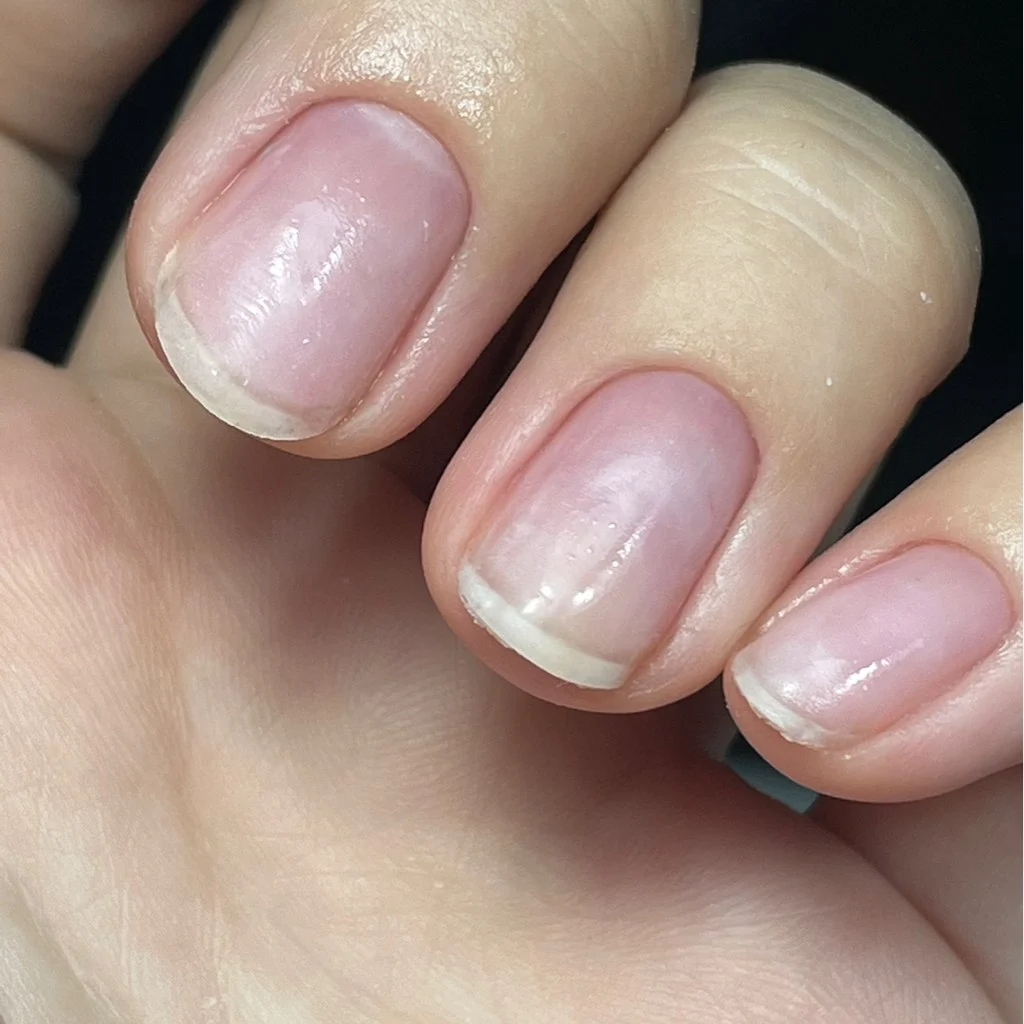
Credit: Dikidi
Cuticle or Proximal Nail Fold? Worth Knowing
People often use the word cuticle for the whole rim of skin around the base of the nail, but strictly speaking, the true cuticle is the thin, dead layer that sits on the nail plate itself, while the thicker rim of living skin behind it is the proximal nail fold. The dead layer can be gently softened and pushed back, while the living skin should never be cut. If a manicure hurts or bleeds, something living has been cut, and that is a sign to stop.
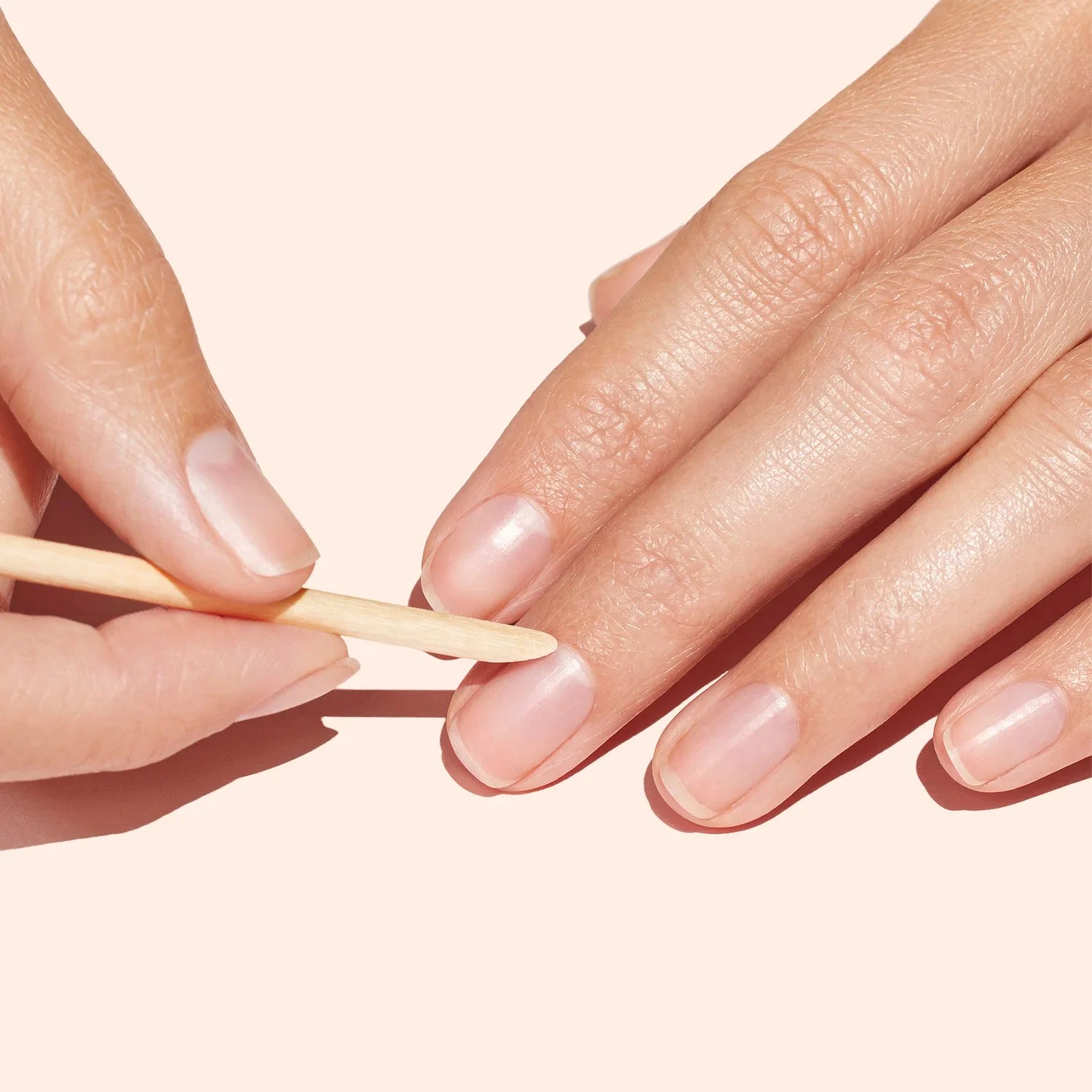
Credit: Manucurist
How to Take Care of Cuticles: The Tools You Need
A Small, Simple Kit
You do not need a drawer full of gadgets. My kit has stayed the same for years: a wooden orange stick or a soft rubber-tipped pusher, a gentle nail file, small nippers used only for hangnails, a rich hand cream, and a cuticle oil. Cuticle oil is the one item I would not skip. It sinks into the skin around the nail in a way hand cream alone does not, and it keeps the seal soft and flexible. A plain oil like jojoba or sweet almond works well, morning and night. If you like a quiet, natural look overall, my natural nail ideas pair beautifully with well-cared-for cuticles.
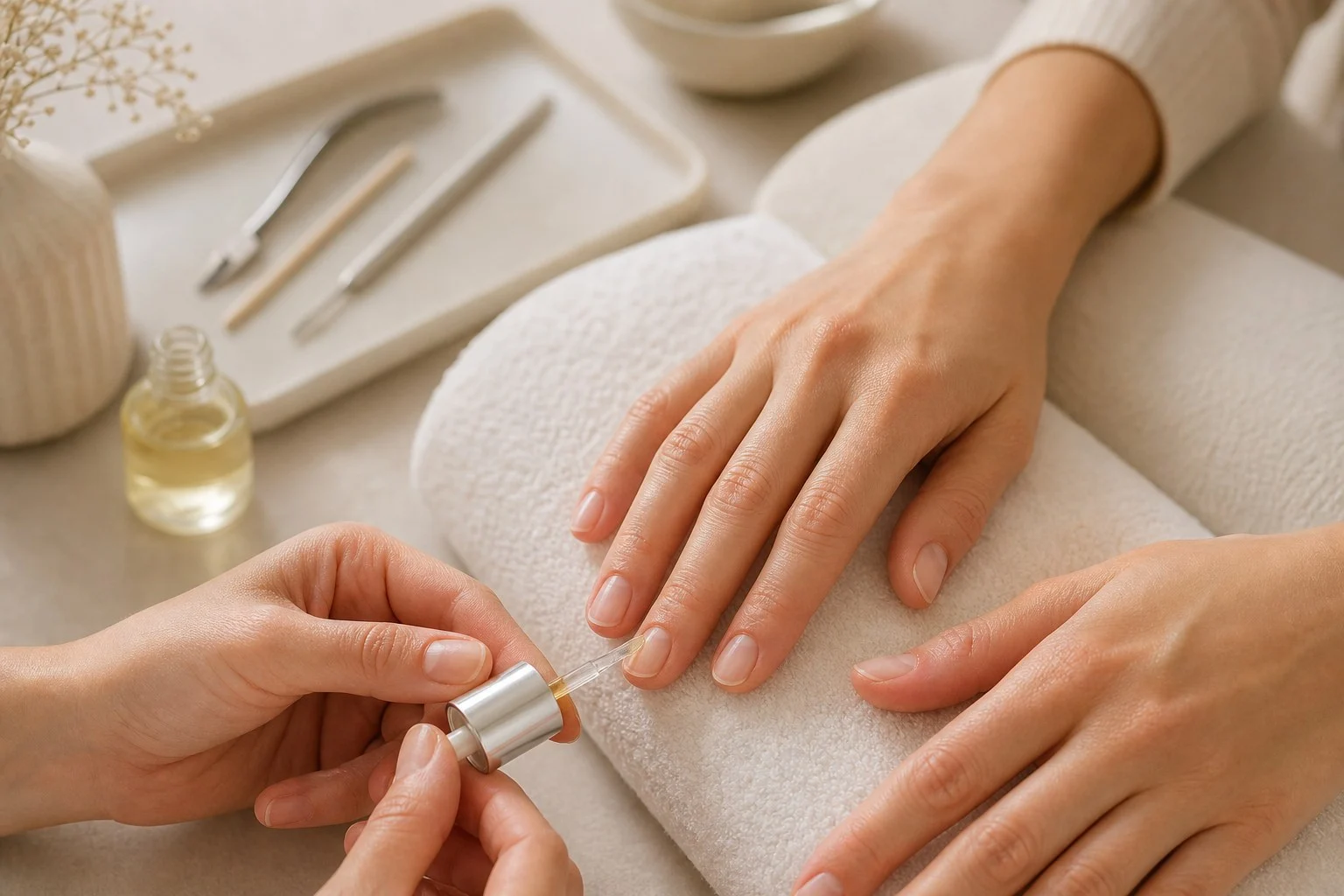
Credit: Kinhnghiemlamdep
What to Leave Out of Your Kit
Skip metal pushers with sharp edges, because they make it easy to scrape too hard and gouge the nail surface. Skip harsh removers that promise to dissolve skin in seconds, since they can irritate the living skin. And do not buy nippers for routine use: they are for one job only, snipping a hangnail cleanly, not trimming the whole cuticle line.
The Weekly Cuticle Routine
This is the routine I follow once a week, usually on a Sunday evening, and it takes about ten minutes for both hands.
Step 1: Soften First, Always
Start by soaking your fingertips in warm water for three to five minutes, or do your cuticles right after a warm shower when the skin is already soft. Soft skin moves easily and is far less likely to tear. Never try to push back dry cuticles, because dry skin catches, splits and peels, and that peeling is exactly how hangnails start.
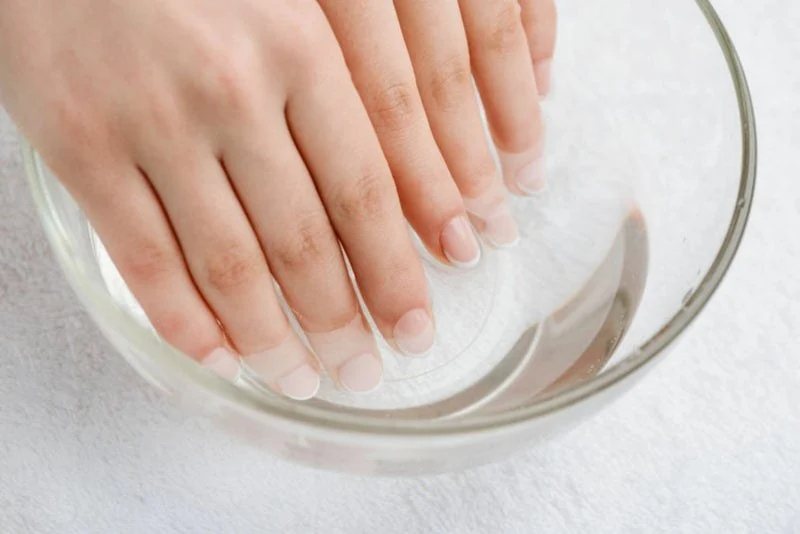
Credit: Ameblo
Step 2: Push Back Gently
With the skin soft, take your orange stick or rubber pusher and gently press the cuticle back toward the base of the nail, using small, light strokes. You are only moving the thin, softened layer off the nail plate, not forcing the skin backwards. If you meet resistance, stop and soak a little longer.
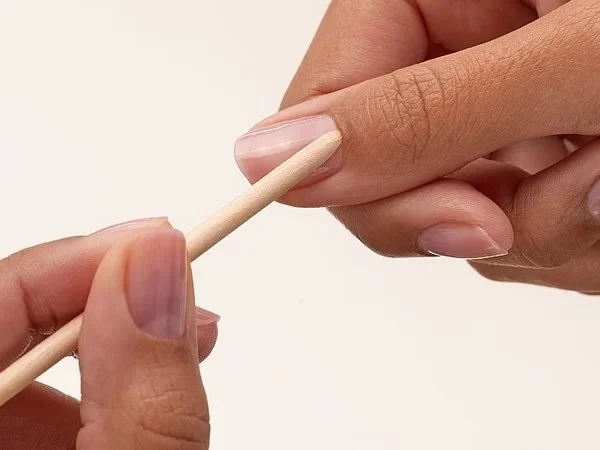
Credit: Nagelshop
Step 3: Moisturise and Seal
Once the cuticles are pushed back, massage a drop of cuticle oil into each nail and the skin around it, then follow with hand cream over the whole hand to seal in the moisture. This step makes the biggest visible difference over a few weeks: cuticles that are oiled regularly stay smooth, lie flat, and stop catching on fabric. For a relaxing soak that pairs well with this step, try my milk bath nail ideas for a gentle at-home treatment.
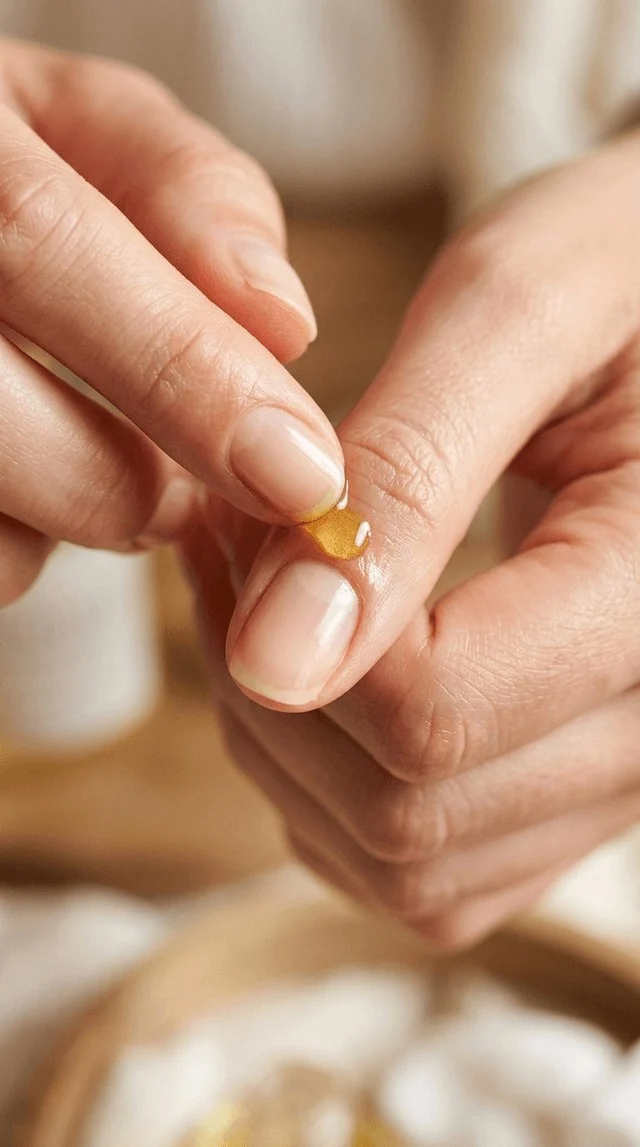
Credit: Blog
Step 4: Protect Through the Week
Between weekly sessions, keep the habit small and daily: a drop of oil at bedtime, gloves for washing dishes and cleaning, and hand cream after washing your hands. Water, soap and cleaning products dry out cuticles faster than anything else, so gloves are the best protection you can give them. These small daily habits are how to take care of cuticles between weekly sessions.
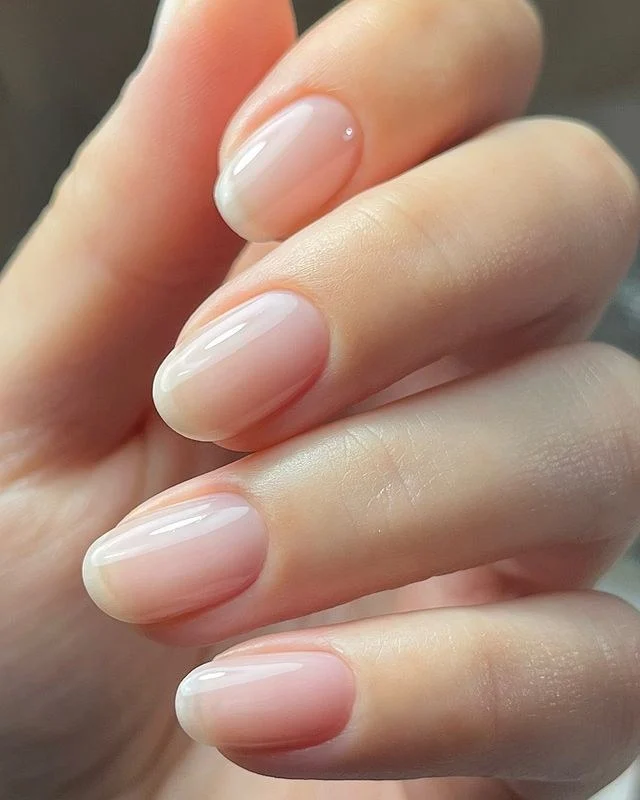
Credit: Artofit
What Never to Do to Your Cuticles
Never Cut the Living Skin
Cutting the rim of living skin around your nails is the single biggest mistake, and the one I see most often. It leaves the nail bed open to germs, it can cause soreness and swelling, and the skin often grows back thicker and rougher than before. If a salon reaches for nippers and starts trimming all the way around your nails, ask them to stop and just push the cuticles back instead.
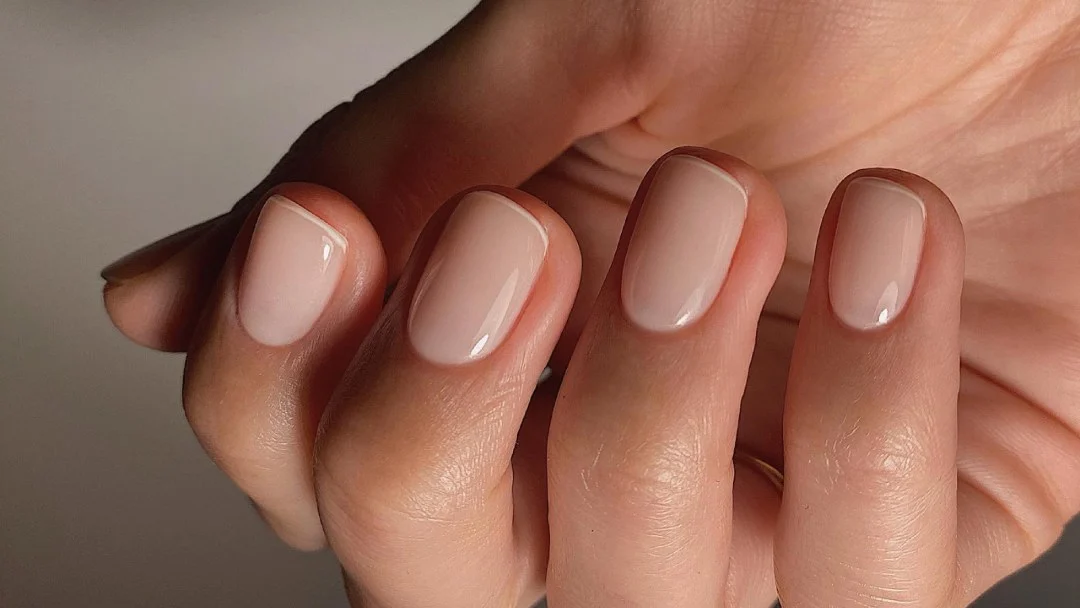
Credit: Journal
Never Bite, Pick or Tear
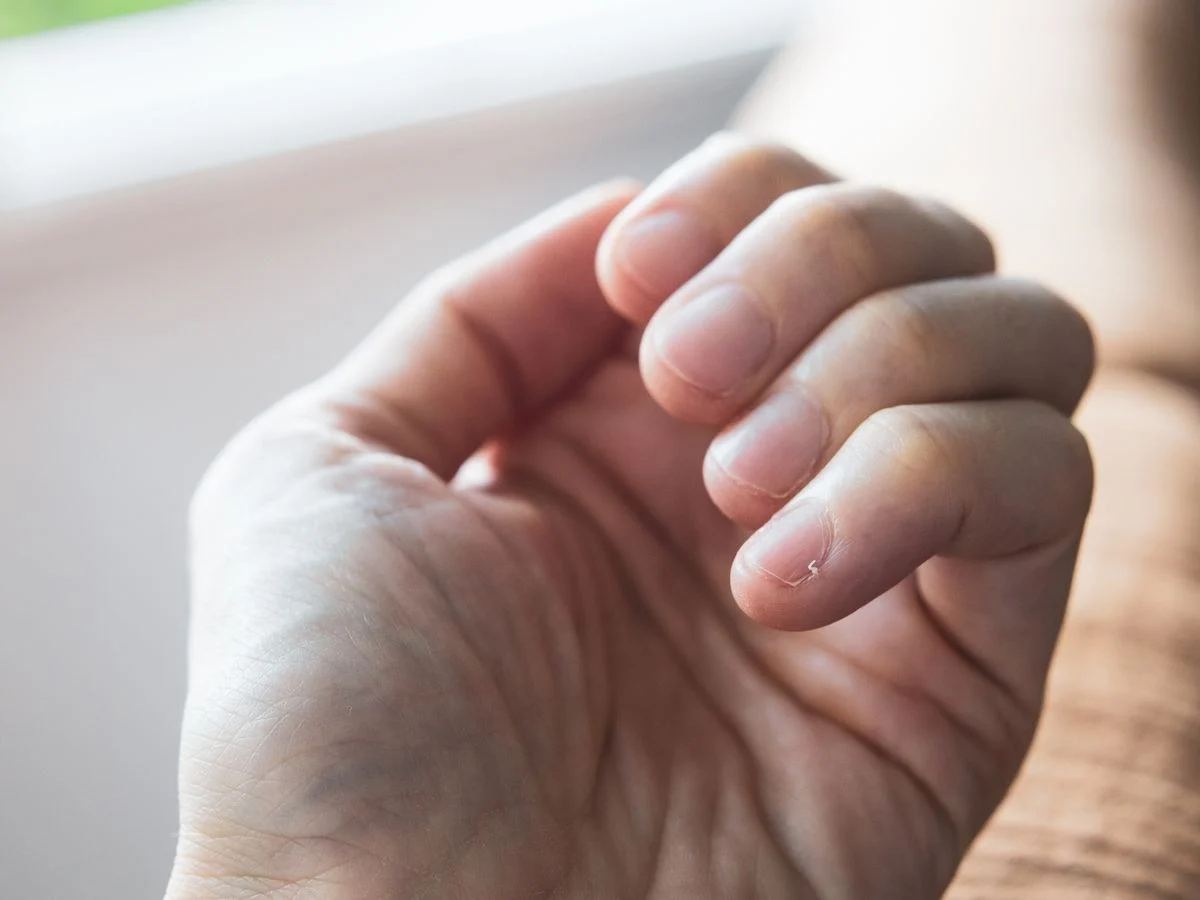
Biting and picking at cuticles tears the skin unevenly, which creates the ragged edges that turn into hangnails and sore spots. It is a hard habit to break, but keeping the skin well oiled helps a lot, because smooth skin gives you far less to pick at. If you catch yourself picking, put oil on instead. If you enjoy a simple, low-maintenance look, my soap nail ideas are a good match for short, tidy nails with healthy cuticles.
Credit: Icona
Fixing Common Cuticle Problems
Hangnails
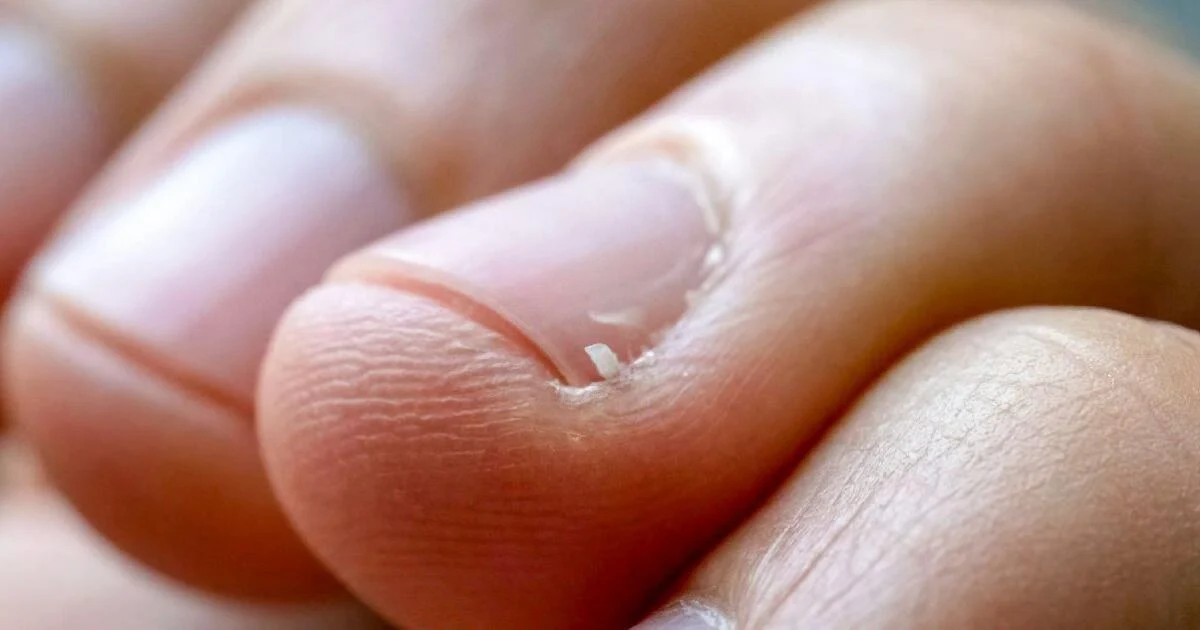
A hangnail is a small strip of torn skin beside the nail, and it hurts far more than its size suggests. Do not pull it off, because tearing it deeper can make it bleed and get sore. Instead, soak the finger in warm water, snip the loose strip cleanly at its base with clean nippers or small scissors, and finish with oil. Keep the area clean and covered if it is tender. If the skin becomes red, swollen or warm, or the soreness does not settle, see a professional rather than trying to treat it yourself.
Credit: Resources
Dryness and Peeling
Dry, peeling cuticles are usually a sign that the skin needs moisture and protection, not more trimming. Step up the oil to twice a day, wear gloves for housework, and give harsh soaps a rest where you can. At night, a thicker layer of oil or a rich balm under cotton gloves can help very dry skin recover. You should notice a difference within a week or two. If peeling is severe, cracked or painful, or keeps coming back despite good care, ask a professional about it, since persistent skin problems can have causes home care cannot fix.
Damage From Over-Trimming
If your cuticles have been over-trimmed in the past, the fix is patience. Stop all cutting, keep the area clean and well oiled, and let the skin grow back on its own. It can take a few weeks for the seal to recover, and you may see ridges or uneven growth until the new nail grows out. Avoid polish and harsh removers on sore nails until the skin feels settled.
My Final Thoughts on Cuticle Care
Good cuticle care is really about doing less, but doing it regularly. Soften, push back gently, oil often, and leave the living skin alone. That is the whole secret. When your cuticles are healthy, your nails grow more smoothly, your polish sits better, and your hands look cared for, even with no polish at all.
Frequently Asked Questions
How often should I do cuticle care?
Once a week is plenty for soaking and gently pushing back, with a drop of oil every day in between. Overworking the skin can cause the peeling you are trying to prevent.
Should I cut my cuticles?
No. Gently pushing back the softened cuticle is enough for a neat look, and cutting can lead to soreness, swelling and rougher regrowth. Only snip a loose hangnail, cleanly at its base.
What is the best oil for cuticles?
Jojoba oil is a popular choice because it sinks in well, but sweet almond oil and vitamin E oil also work nicely. The best oil is the one you will actually use every day, so pick one you like the feel and smell of.
Why do my cuticles keep peeling?
Peeling usually comes from dryness, frequent hand washing, cleaning products, or picking and biting. Regular oil, gloves for housework, and leaving the skin alone usually settle it within a couple of weeks.
Can I paint my nails if my cuticles are damaged?
If the skin is just a little dry, yes, but avoid getting polish on broken skin. If the area is cut, sore or swollen, wait until it has healed, and see a professional if redness or pain does not settle.
I hope this guide takes the mystery out of cuticle care for you. Start small and stay gentle.