
The reverse French manicure flips the classic: instead of a white tip, a slim line of colour hugs the cuticle like a little frame. I first spotted reverse French nails on a bride whose photographer kept zooming in on her hands, and I've been quietly obsessed ever since. Delicate in photos, surprisingly bold in person — but which version suits which moment? Here's the calendar I actually use.
Your Reverse French Calendar: Which Version for Which Week
Wedding season (late spring to early autumn): go gold or champagne — metallic reads as jewellery in photos and won't clash with any bouquet. I wore gold to my cousin's June wedding and the photographer asked for a close-up.
Holiday party stretch (late November to New Year's): time for drama. Burgundy, emerald or black cuticle lines over sheer bases look festive without screaming tinsel — and outlast glitter, which chips the moment you look at it.
The regular work week: keep it tonal. A nude or soft brown cuticle line over sheer pink is the most office-friendly nail art I know — quiet enough for any dress code. More in this spirit in my minimalist nail ideas.
Date nights: red or black. A dark cuticle line reads confident and pairs ridiculously well with a red lip — I save my boldest looks for Friday nights.
Seasonal Timing: When Reverse French Peaks
Reverse French nails peak twice a year: wedding season (May–September), when brides want elegance beyond the standard white tip — see my wedding nail ideas — and December, when metallics and jewel tones take over. Spring brings pastels, summer brings brights like coral and cobalt, autumn belongs to burgundy and forest green. For maximum compliments: metallic in December, pastel in April.
17 Reverse French Nail Ideas
Seventeen versions, one for every mood.
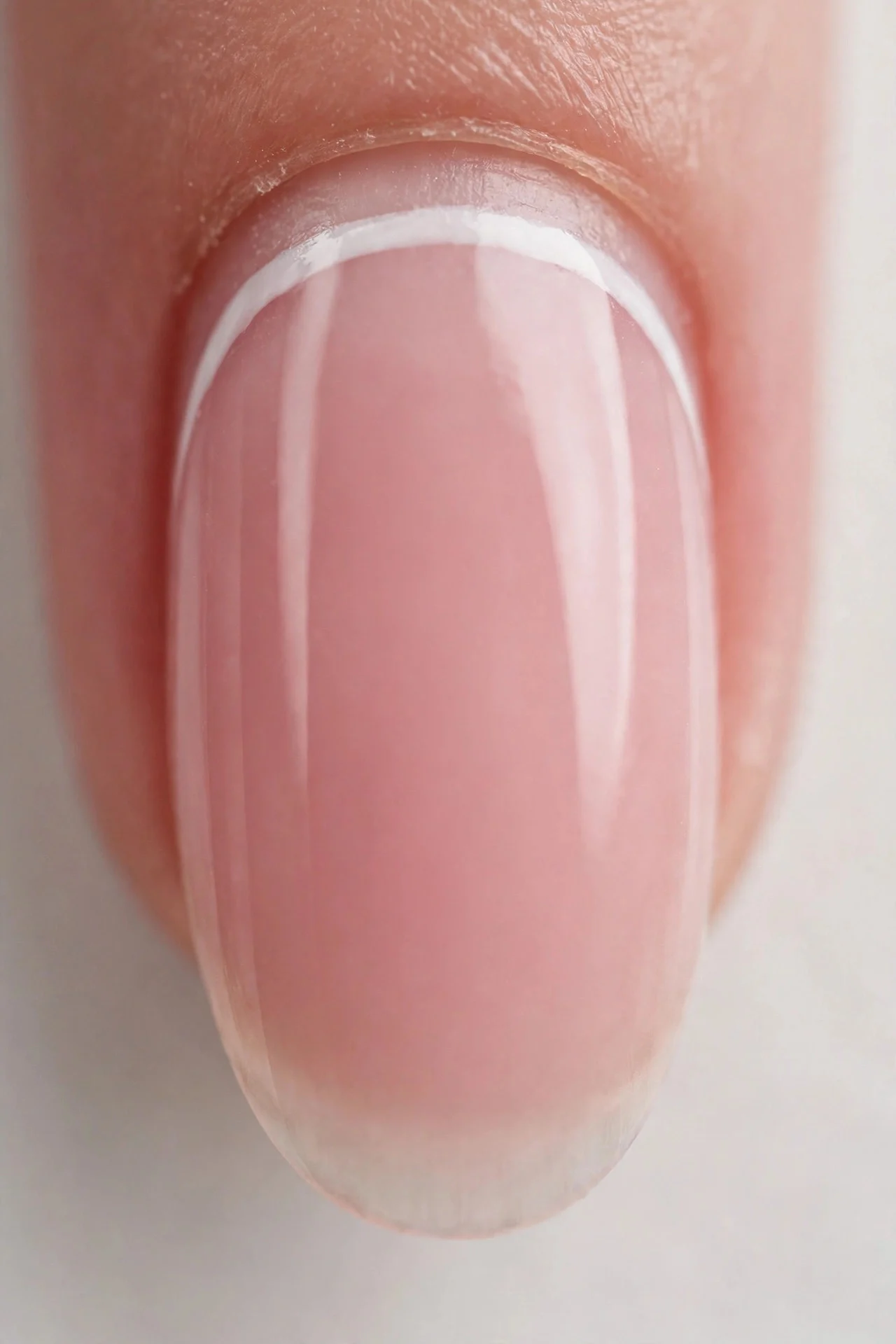
1. Classic White Reverse French
The original: a crisp white line following the cuticle over sheer pink — the mirror image of the traditional French, only less expected. Flattering on every skin tone. See the full family in my french tip nail ideas.
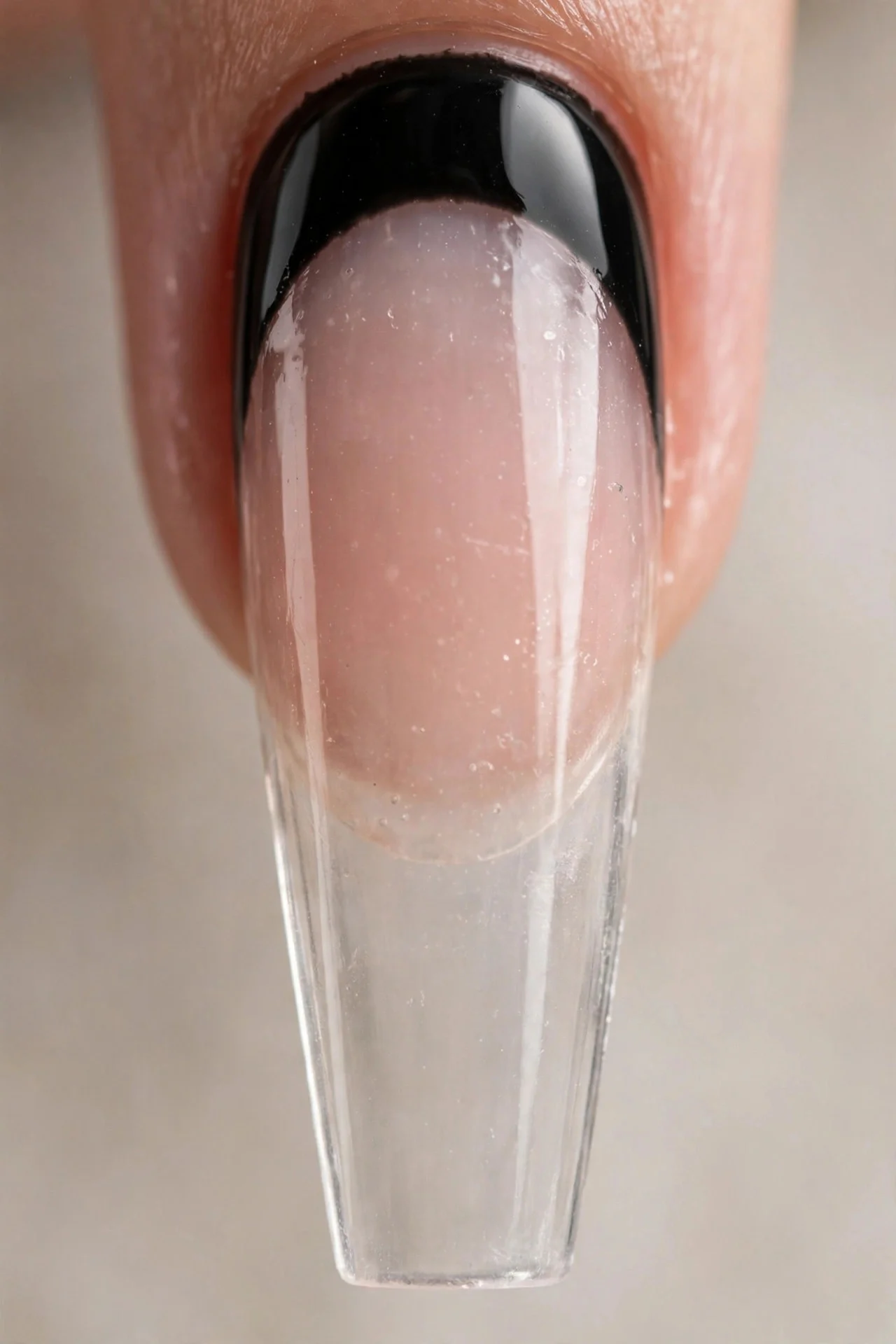
2. Black Reverse French
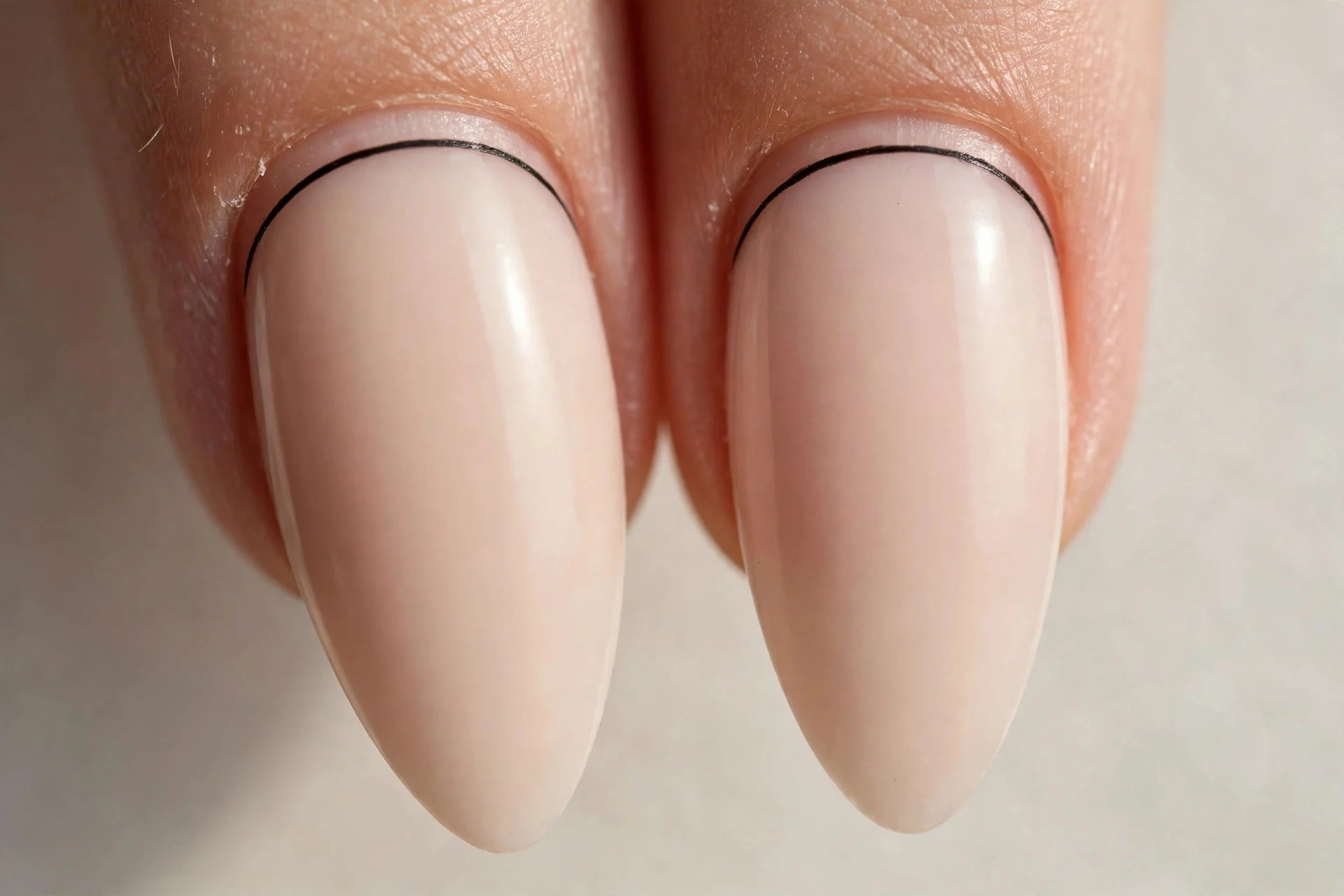
A jet-black cuticle line over milky nude. Edgy and graphic, yet wearable — the black is confined to such a slim curve it reads as eyeliner for your nails. Use a striping brush — freehanding invites wobbles.
3. Gold Reverse French
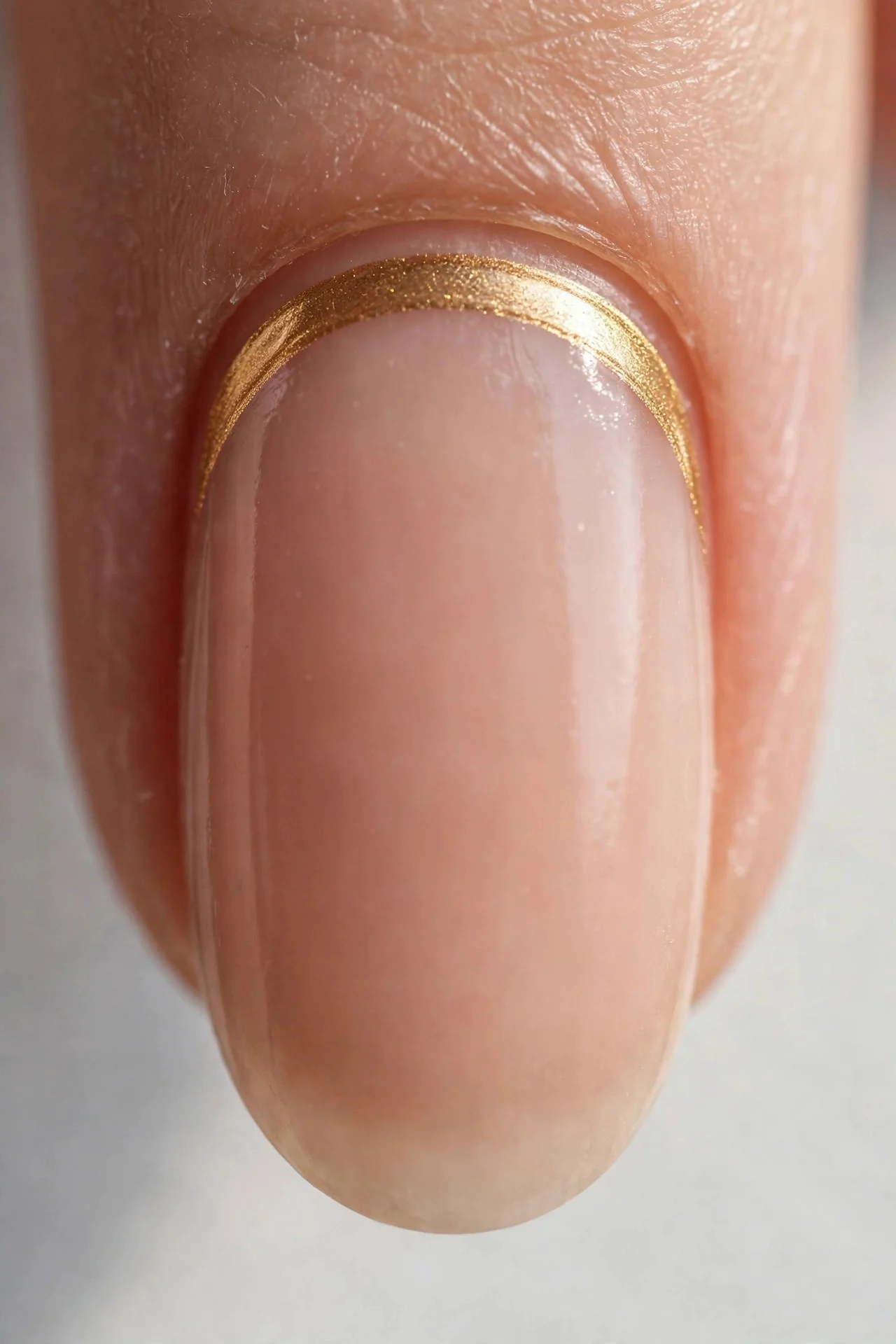
Metallic gold tracing the cuticle over a warm sheer base — the bridal favourite and my most-worn version. In photos it looks like rings on every finger. OPI's "Glitzerland" ($12) gives opaque gold in one coat, streak-free.
4. Red Reverse French
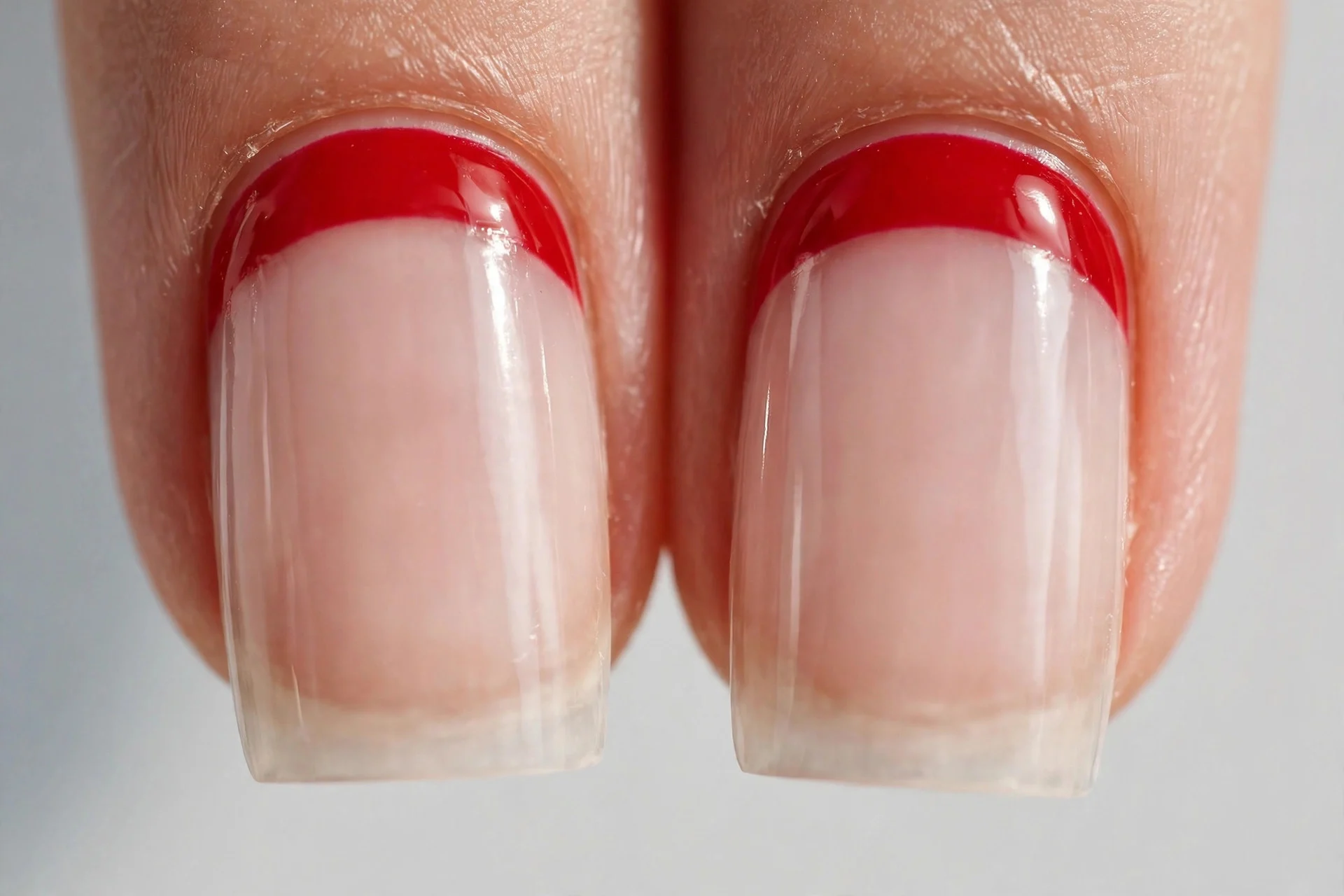
Pillar-box red cuticle curves over a bare, glossy base. Bold, a little vintage Hollywood, incredibly chic on short nails. Keep the base truly sheer — thick nude under red looks muddy. Essie's "Ballet Slippers" ($10) underneath is my go-to.
5. Nude-on-Nude Reverse French
A deeper nude line over a paler nude base — tone-on-tone, barely-there, impossibly elegant. My pick for strict office dress codes. It hides regrowth better than anything, since everything sits in the nude family.

6. Chrome Reverse French
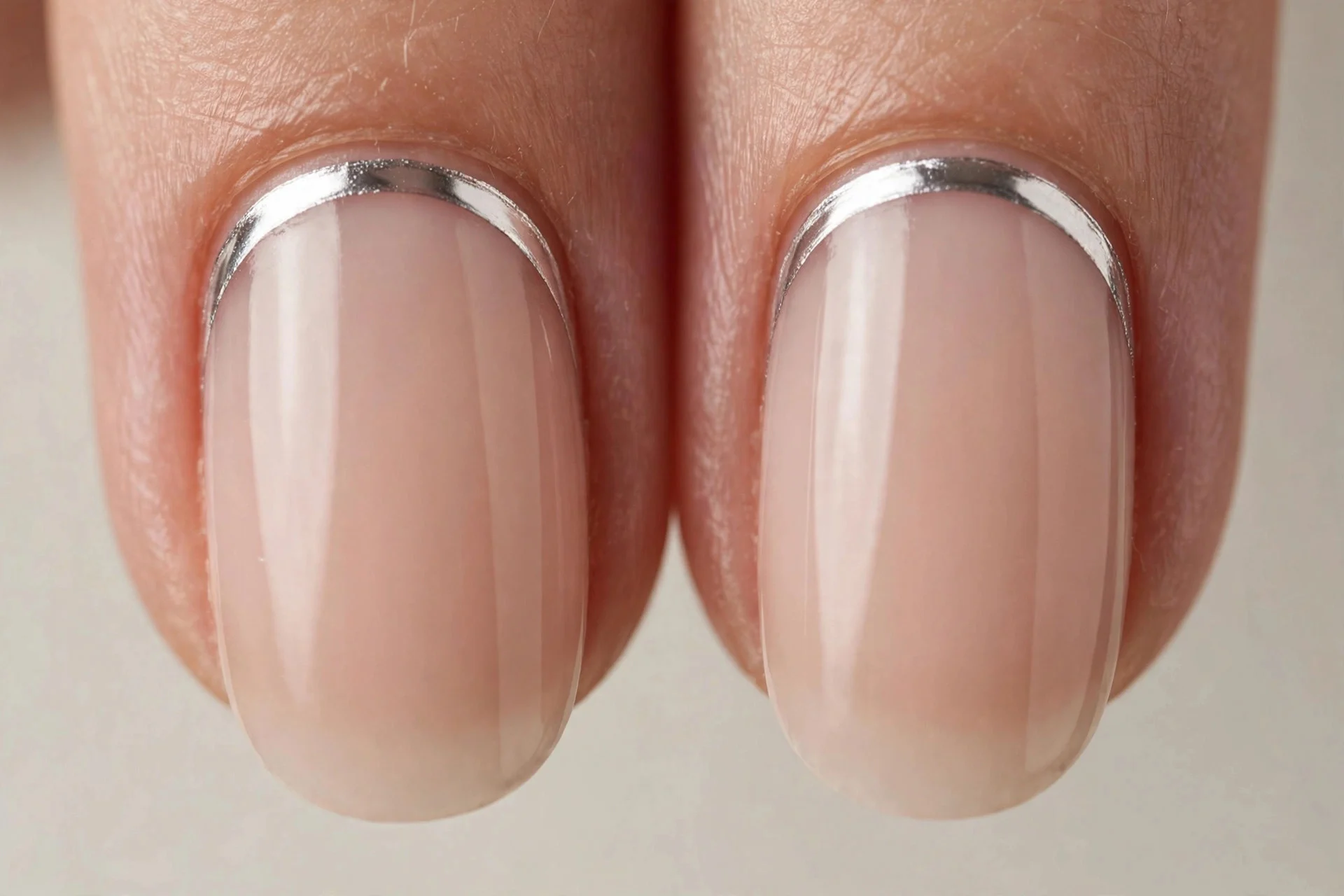
Mirror-chrome cuticle lines — silver, gold or rose gold — over a sheer base. Futuristic; it catches light with every movement. Apply chrome powder to the line only, then seal with no-wipe top coat, or it dusts across the sheer base.
7. Glitter Reverse French
Fine glitter packed along the cuticle curve instead of a solid line — festive, forgiving, and the easiest version for beginners, since glitter hides every wobble. I did my first with a toothpick and a $6 polish. Gold over sheer pink is the classic; silver over pale blue, the winter upgrade. More dark drama in my black french tip nails.

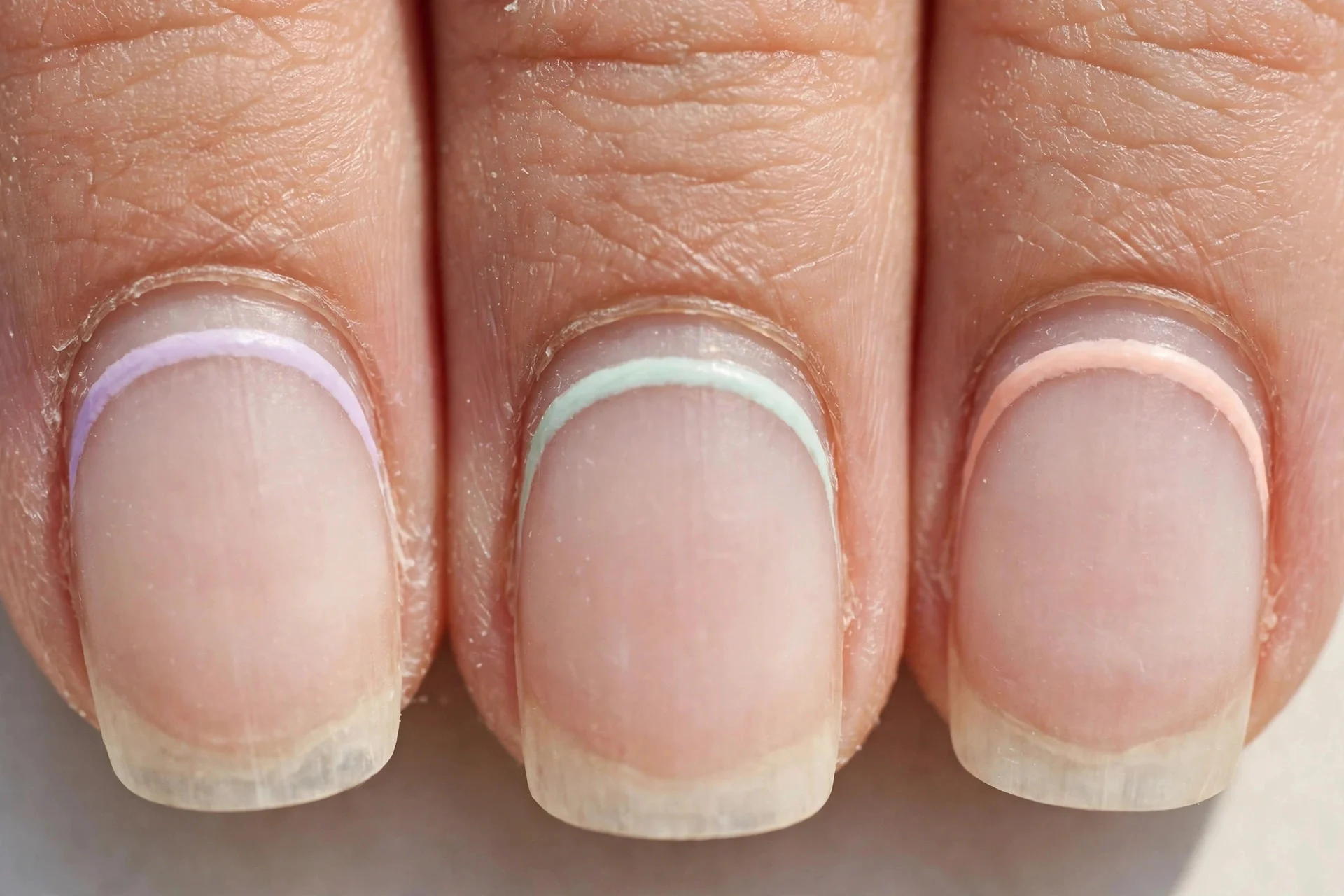
8. Pastel Reverse French
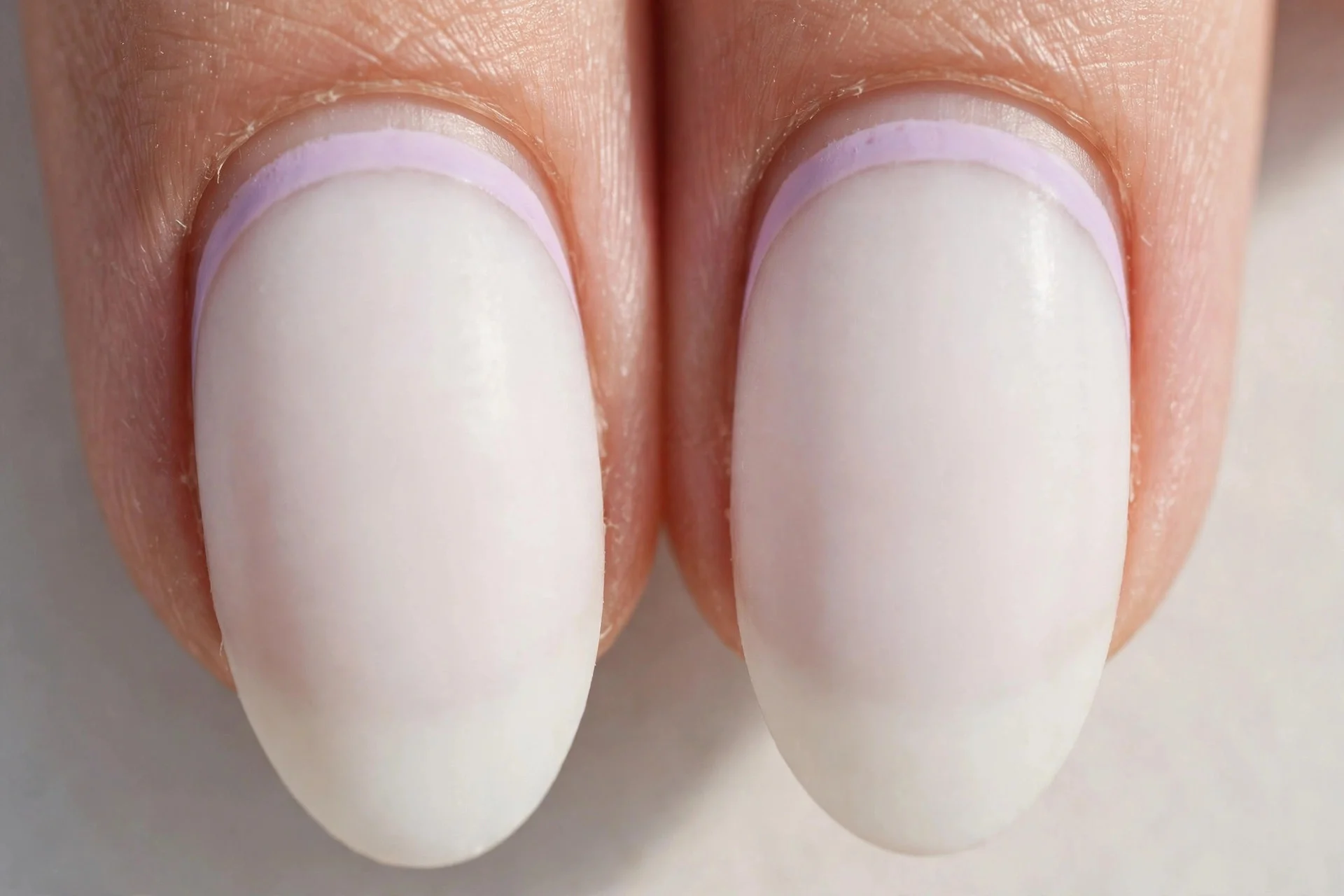
Baby blue, lilac or mint cuticle lines over milky white — the April version, fresh for spring weddings and Easter brunches. Pastels need two thin coats on such a slim line, so don't rush; streaky pastel reads as a mistake.
9. Double-Line Reverse French
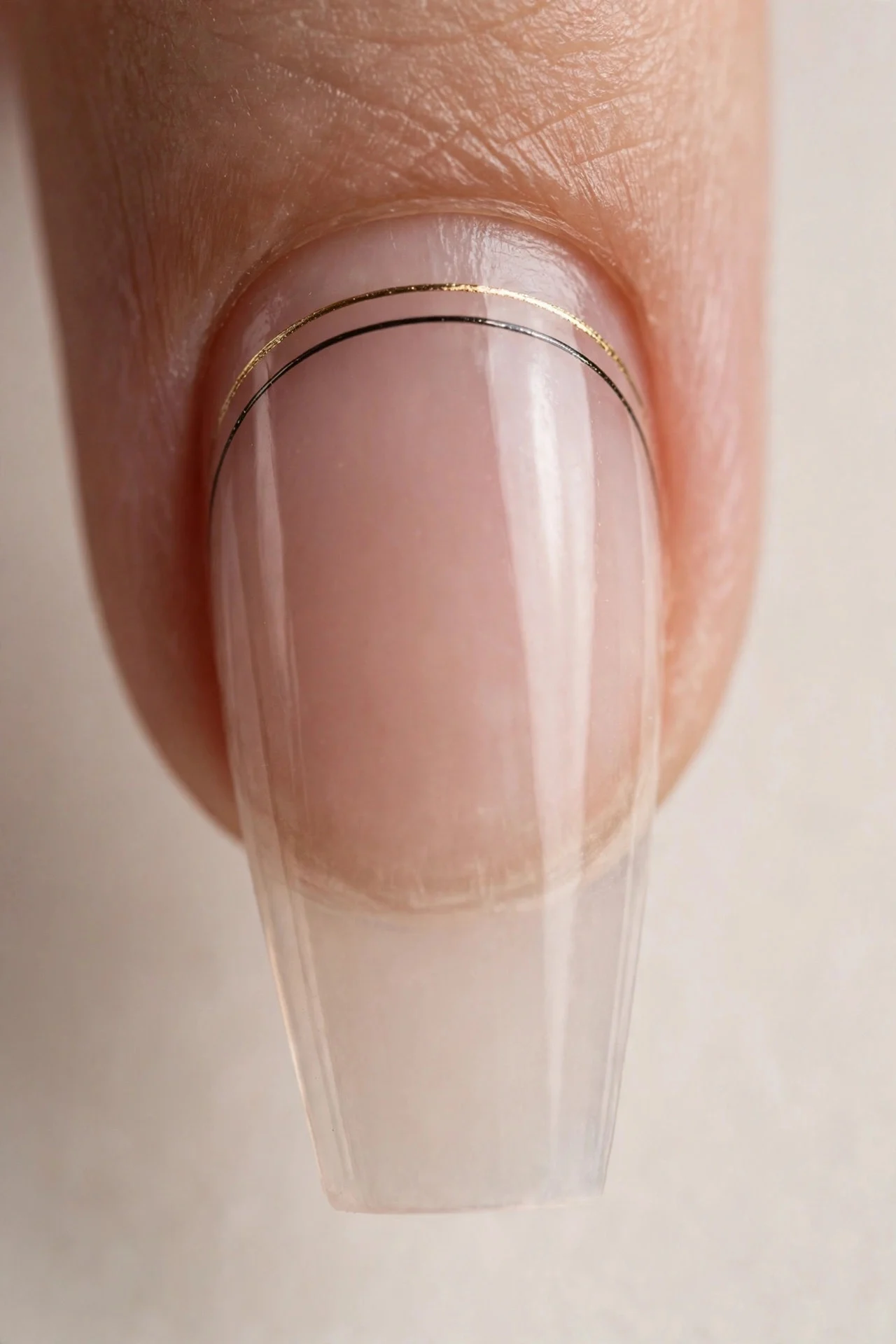
Two parallel curves tracing the cuticle — one thin, one thinner — in contrasting colours like black and gold. The most intricate-looking of the bunch, though the technique is just drawing the line twice. People assume salon prices; it took ten extra minutes.
10. Burgundy Reverse French
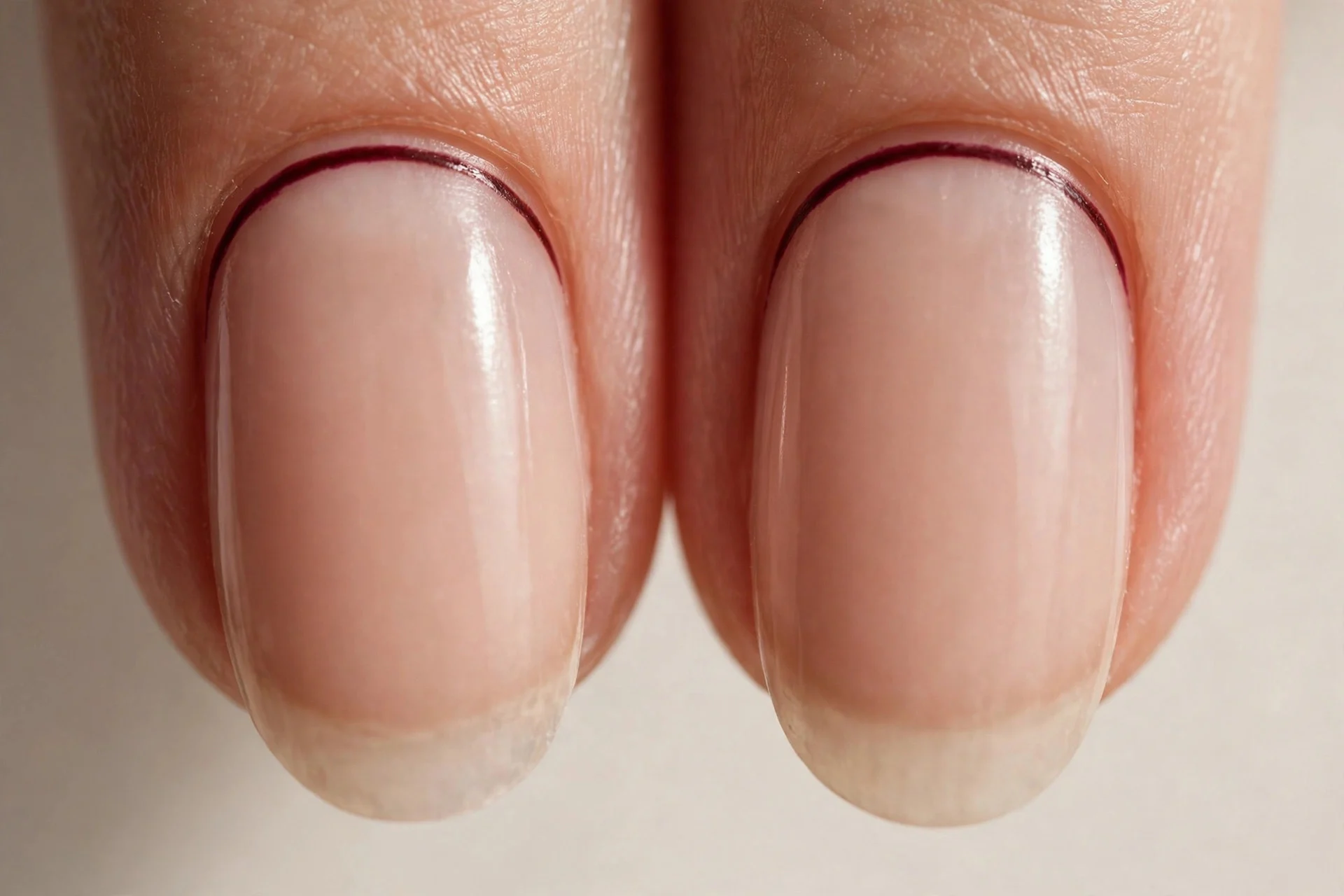
Deep oxblood hugging the cuticle over a sheer neutral base. My October-to-February staple — all the richness of full burgundy with half the commitment and none of the visible chipping. It gets the most "what colour is that?" questions.
11. Silver Metallic Reverse French
Cool silver cuticle lines over pale grey-pink. Where gold feels warm and bridal, silver feels modern and crisp — my choice with silver jewellery and cooler wardrobes. One coat suffices; two looks tin-foiled.
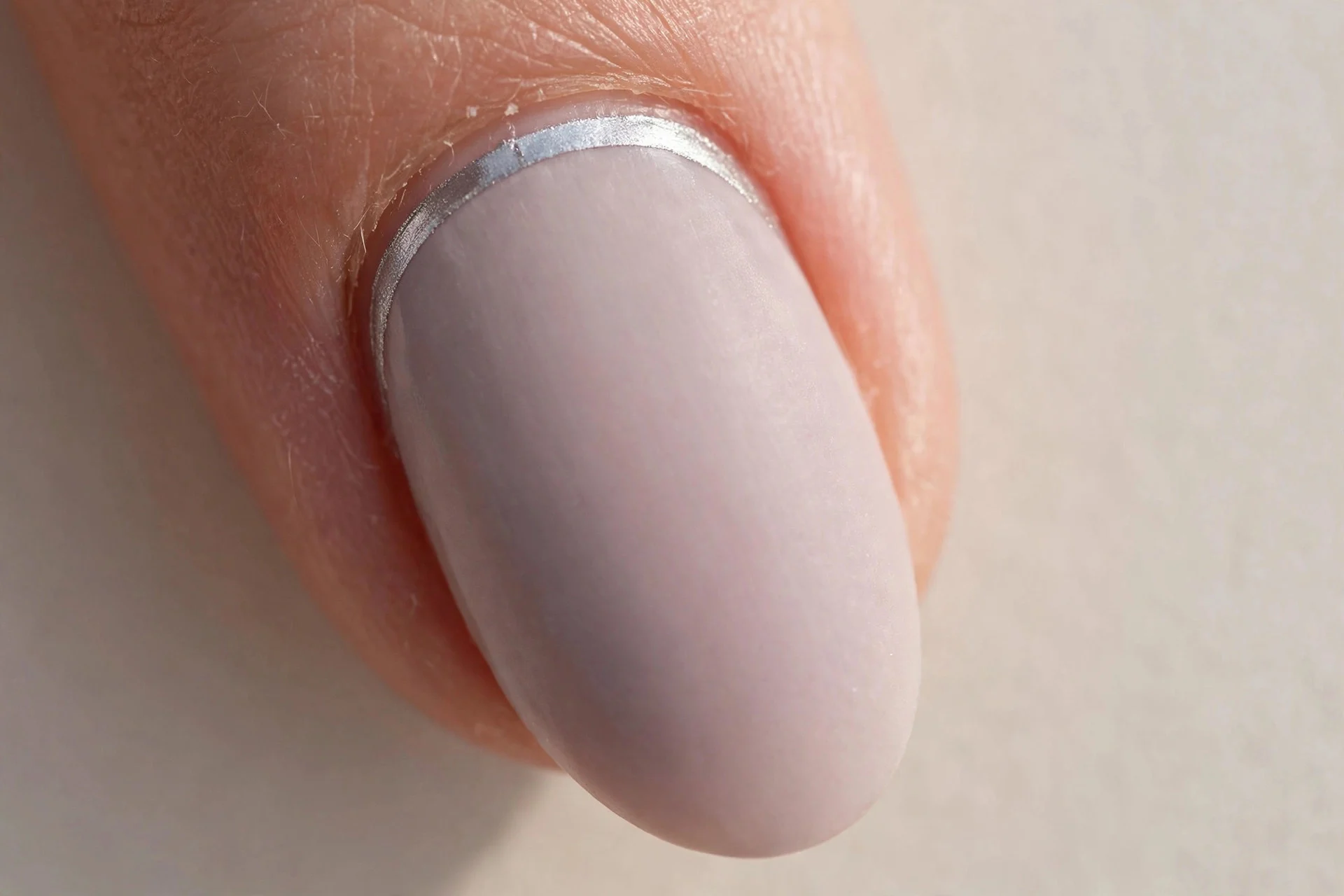
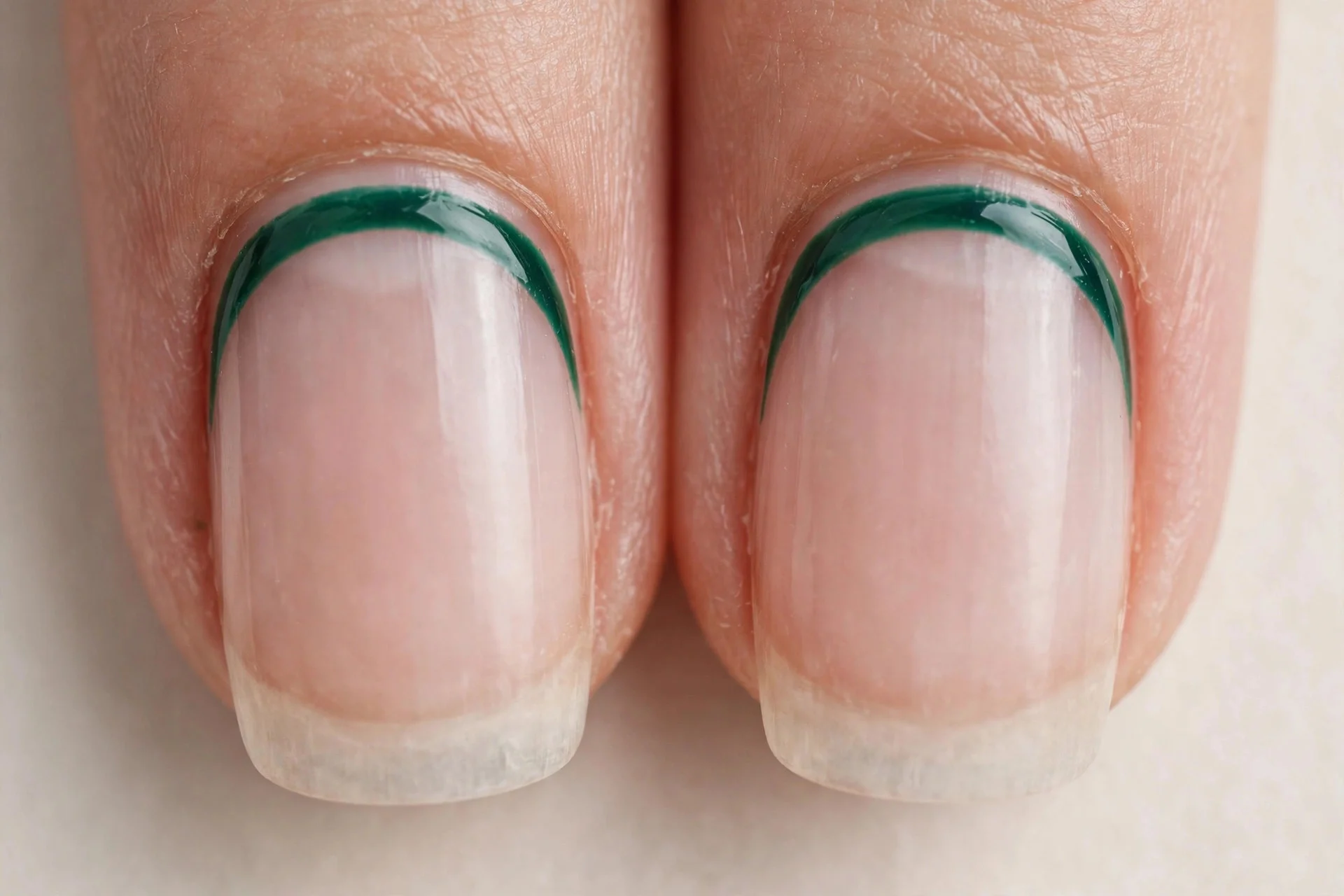
12. Emerald Reverse French
Jewel-green cuticle curves over a sheer base — the holiday-party showstopper. Emerald looks expensive in any light and glows against the sheer base. I wore this last New Year's Eve and it outshone my actual jewellery.
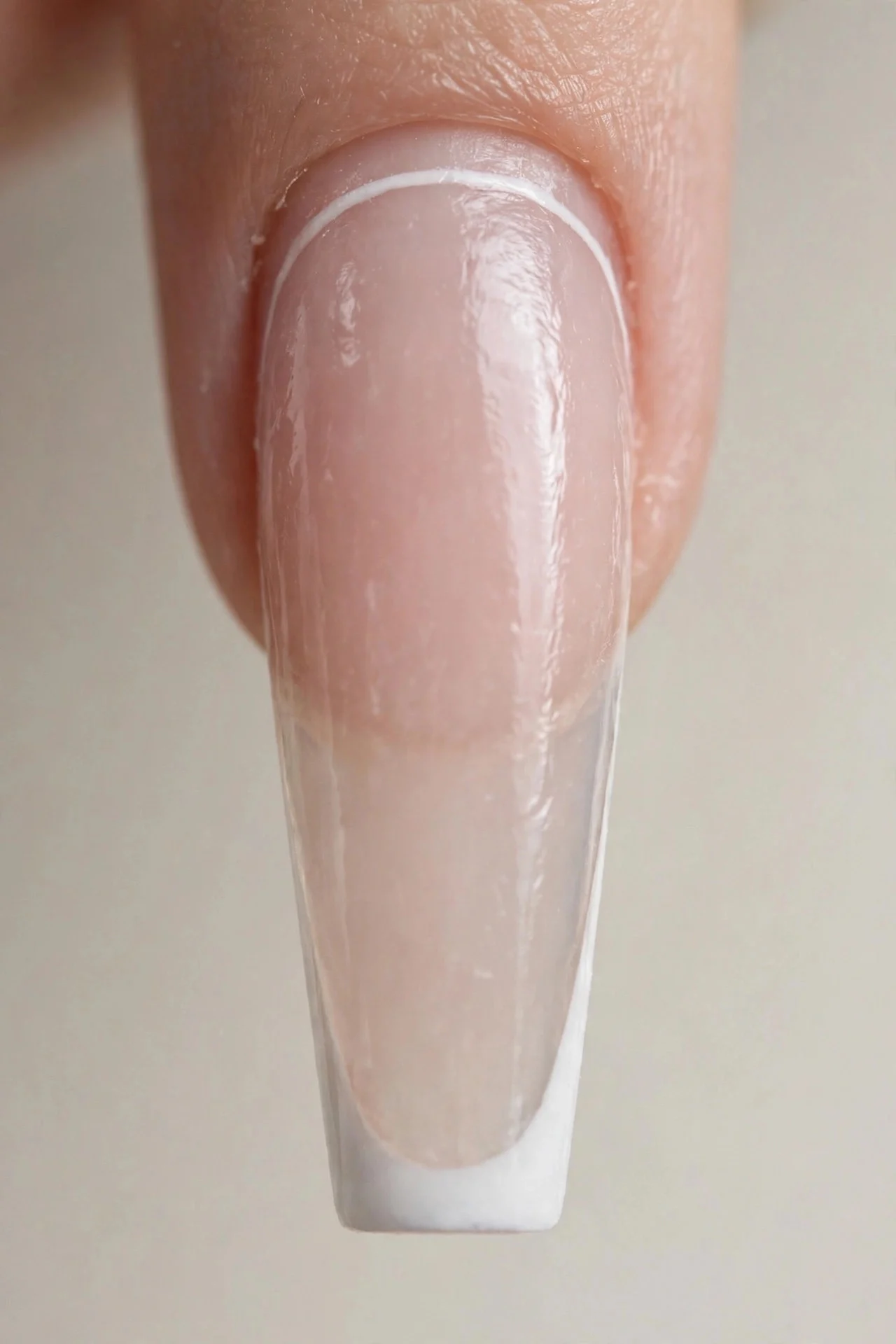
13. French Tip Plus Reverse French
Both at once: a white tip plus a matching white cuticle line, framing the nail from both ends. The maximalist French — stunning on longer nails. Keep both lines the same colour and thickness, or two manicures look collided.
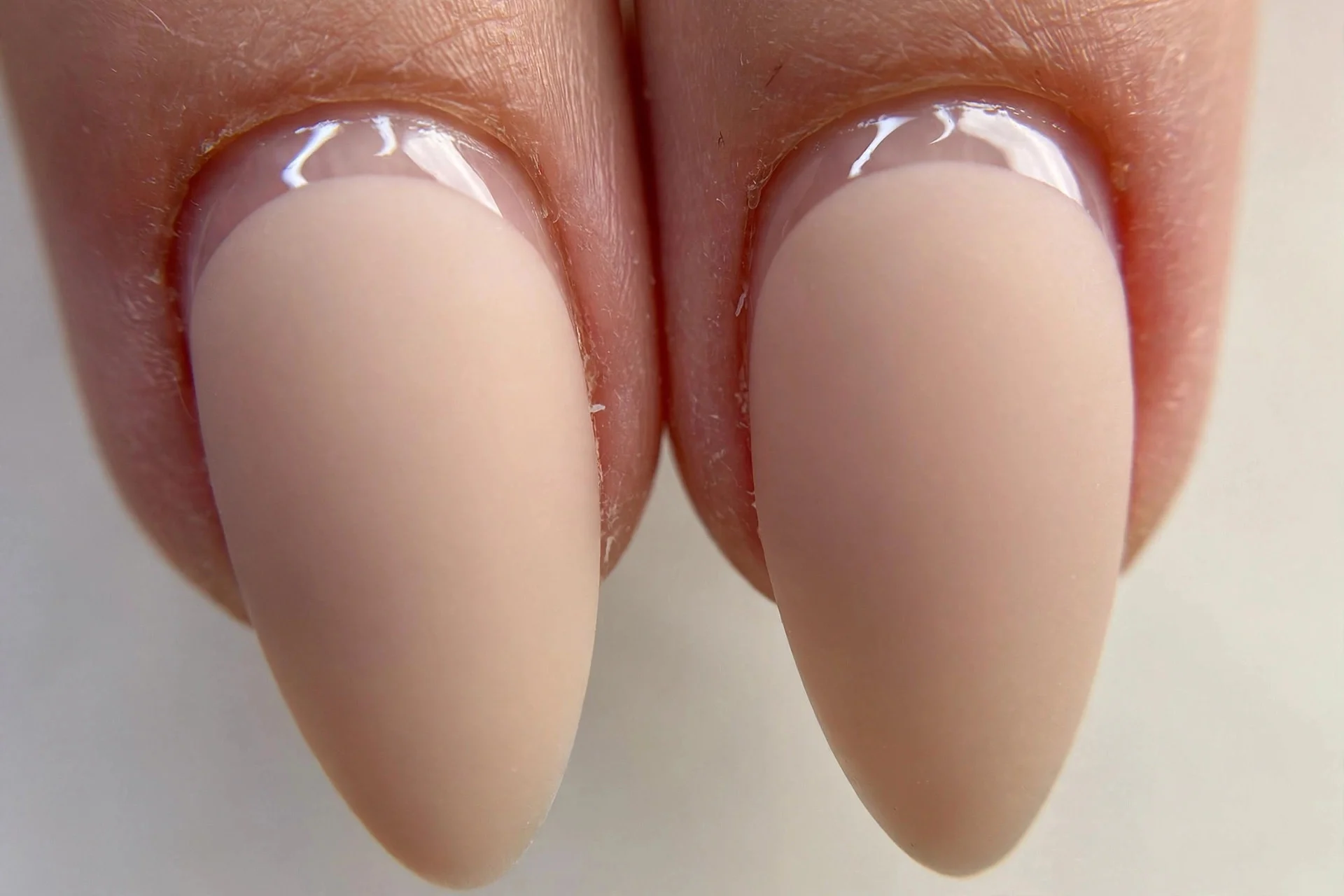
14. Matte Reverse French
A matte top coat over the whole nail with the cuticle line left glossy — or vice versa. The matte-shine contrast does the talking, so colours can stay neutral — the fashion-week version.
15. Rainbow Micro Reverse French
A different pastel per nail's cuticle line — lilac, mint, peach, baby blue, lemon. Playful and summery; my beach-holiday pick. Keep every line the same slim width so five colours read curated, not chaotic.
16. Coffin-Shaped Bold Reverse French
Thick, confident cuticle lines on long coffin nails — closer to a band than a whisper. Black, deep red or metallic; the drama comes from the scale. Not for the faint-hearted — but it matches the energy of long coffins.
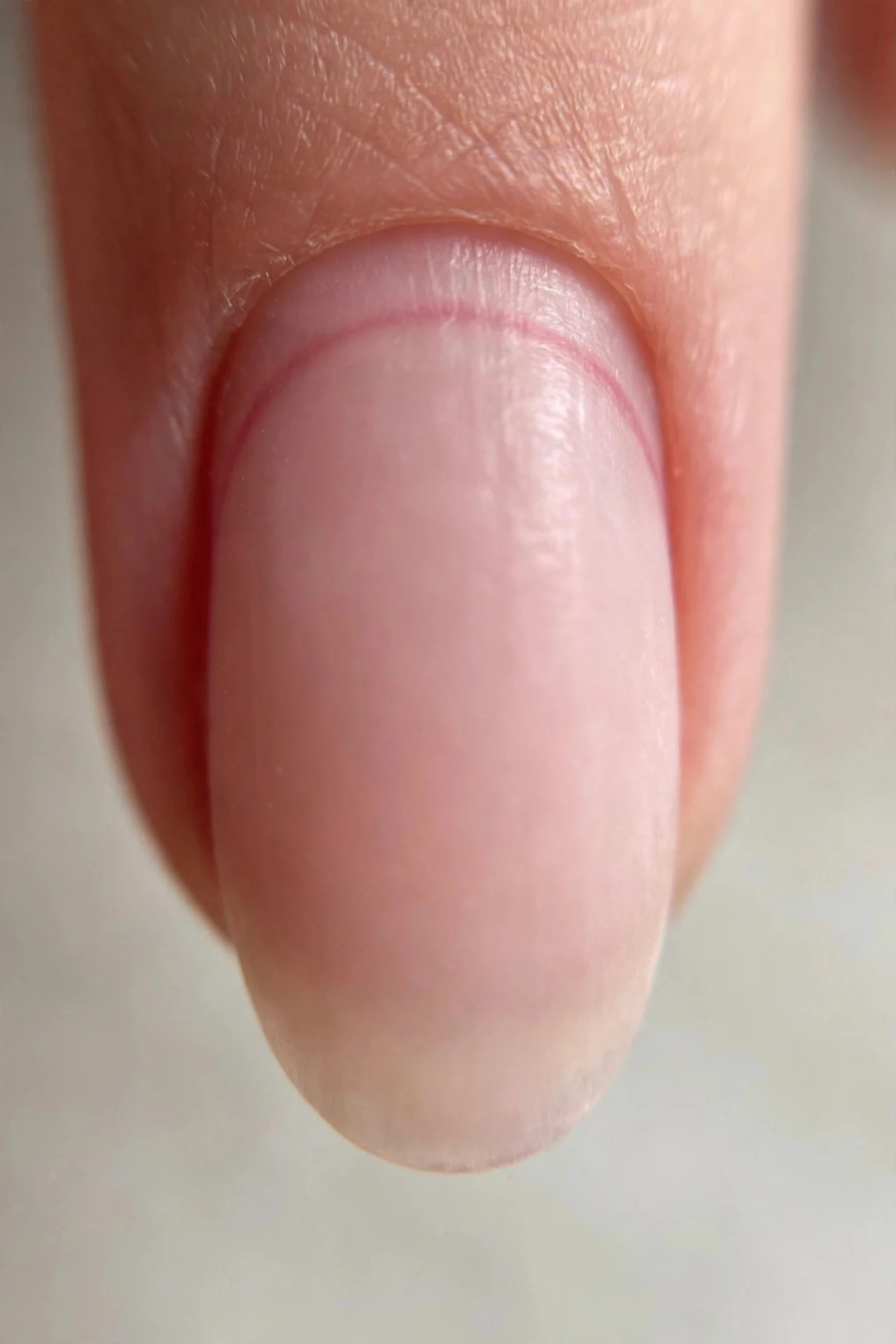
17. Sheer Pink Work-Week Reverse French
The quietest version: a soft rose cuticle line over ultra-sheer pink, barely darker than the nail itself. My pick for meeting-heavy weeks — polished hands nobody can quite explain. Two weeks of wear, zero regrowth drama.
Frequently Asked Questions
What is a reverse French manicure?
The flipped classic French: a slim line follows the cuticle's curve at the nail's base, with the rest sheer or nude. Same framed effect, more modern — and better on short nails, since a white tip visually shortens the nail.
What nail shape suits reverse French best?
Almond and oval are the sweet spot — their curved cuticle area mirrors the line. Square and coffin suit bolder, thicker lines. Short nails are arguably better, since the design lives at the base; I'd only avoid ultra-narrow stilettos, where the curve gets cramped.
How do you paint a reverse French at home?
Paint your sheer base and let it dry fully. With a thin striping brush, draw a curved line following the cuticle, about 2mm above it. Beginner trick: dot along the curve first, then connect the dots — far easier than one stroke. Clean wobbles with acetone on a flat brush, then top coat.
How long does a reverse French manicure last?
Under gel, the full 2–3 weeks — it grows out gracefully since the design sits away from chip-prone tips. Regular polish: 5–7 days. Sheer, tonal versions hide wear best; metallics show it fastest, so double up on top coat.
Final Thoughts
The reverse French endures because it's a framework, not a single look — change the colour and width and you own a manicure for every week of the year. Start cautious with white or nude-on-nude; go emerald or double-line when you want attention. Keep that striping brush handy.